
How Pipe Relining Works
Pipe relining repairs a damaged sewer or stormwater line from the inside, without digging up the ground above it. Here's what actually happens, step by step, and where the method has real limits.
- A CCTV inspection always comes before a liner goes in
The 4-step relining process
CCTV inspection
A drain camera runs the length of the pipe first, so we can see exactly where the damage is and how bad it is before anything else happens. This is also how we tell whether relining is the right fix at all.
Cleaning
High-pressure water jetting clears roots, scale and loose debris from the inside of the pipe wall. The liner needs a clean surface to bond against, so this step is never skipped.
Liner installation
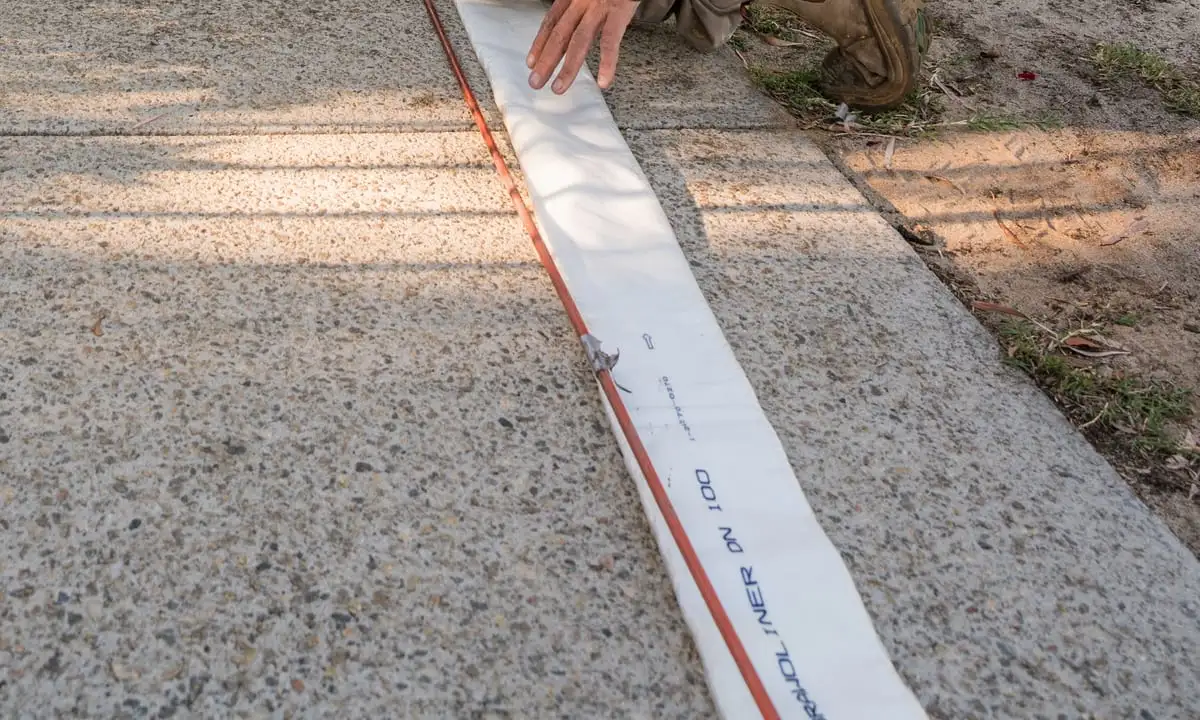
A resin-saturated liner is pulled or inverted into the existing pipe and positioned along the exact length that needs relining, using the access points already on the property.
Curing
The liner is cured in place until it hardens, forming a new structural pipe inside the old one without excavating the ground above it.
Curing methods and scope
How curing methods differ
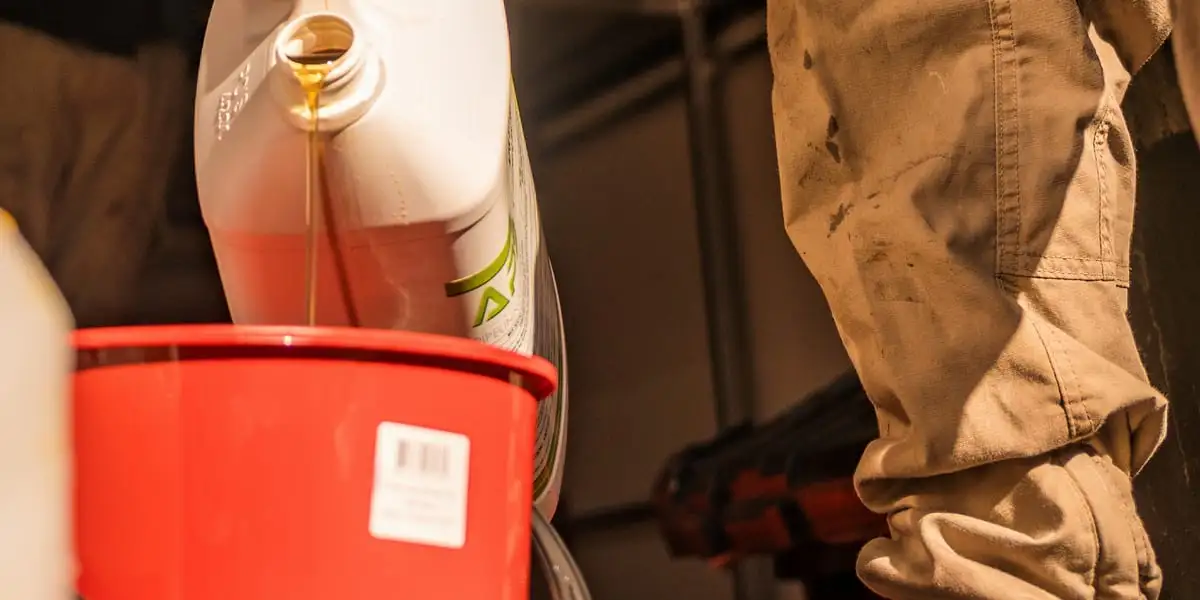
There are a few ways to cure a resin liner once it's in position inside the pipe: UV light, steam, and hot water. All three do the same basic job, hardening the resin so the liner becomes a rigid new pipe wall, but the method changes how the crew manages the job. Our default method is UV-cured relining: an ultraviolet light train is pulled slowly through the liner, curing it section by section as it goes, which gives tighter control over cure quality along the pipe's length. Steam and hot-water curing harden the liner by heating it from the water or air inside it instead, which suits certain diameters and access situations better. See ourUV-cured pipe relining page for more detail on that method specifically.
Point repair vs a full-length reline
Not every damaged pipe needs a new liner run end to end. If the CCTV inspection finds one damaged section, a shorter, localised liner called a point repair can seal just that section. A full-length reline runs a liner the entire distance between two access points, the right call when damage is spread along the pipe. Which one applies depends on what the camera finds, not a guess, which is why aCCTV inspection always comes first. Both use the same cured-in-place method over a different length of pipe, and a written scope should say plainly which one you're being quoted for.
What relining can't fix
Relining repairs a pipe that is cracked, corroded, root-affected or leaking, but still structurally a pipe with a continuous bore. It cannot fix a section that has genuinely collapsed, where the walls have caved in and there is no continuous shape left for a liner to bond against. A collapsed section needs to be excavated and replaced, and no curing method changes that. The same CCTV inspection that confirms relining is the right fix is also how we find a collapsed section early, before recommending a liner that would not hold. Our sewer pipe relining page covers a typical residential job, our case studies page shows a real Perth job start to finish, and our FAQ page covers cost, insurance and lifespan questions.
Want to know if relining suits your pipe?
Book a CCTV inspection and we'll tell you plainly.